

📒 Quick Take: Indonesia’s Kerfuffle
Indonesia’s Finance Minister Purbaya Yudhi Sadewa floated taxing ships passing through the bustling Malacca Strait.

The Indonesian finance minister’s suggestion runs counter to the position of Singapore, which heavily relies on free trade.
Indonesia is facing heavier fiscal pressures while its state-owned enterprises are increasingly strained.
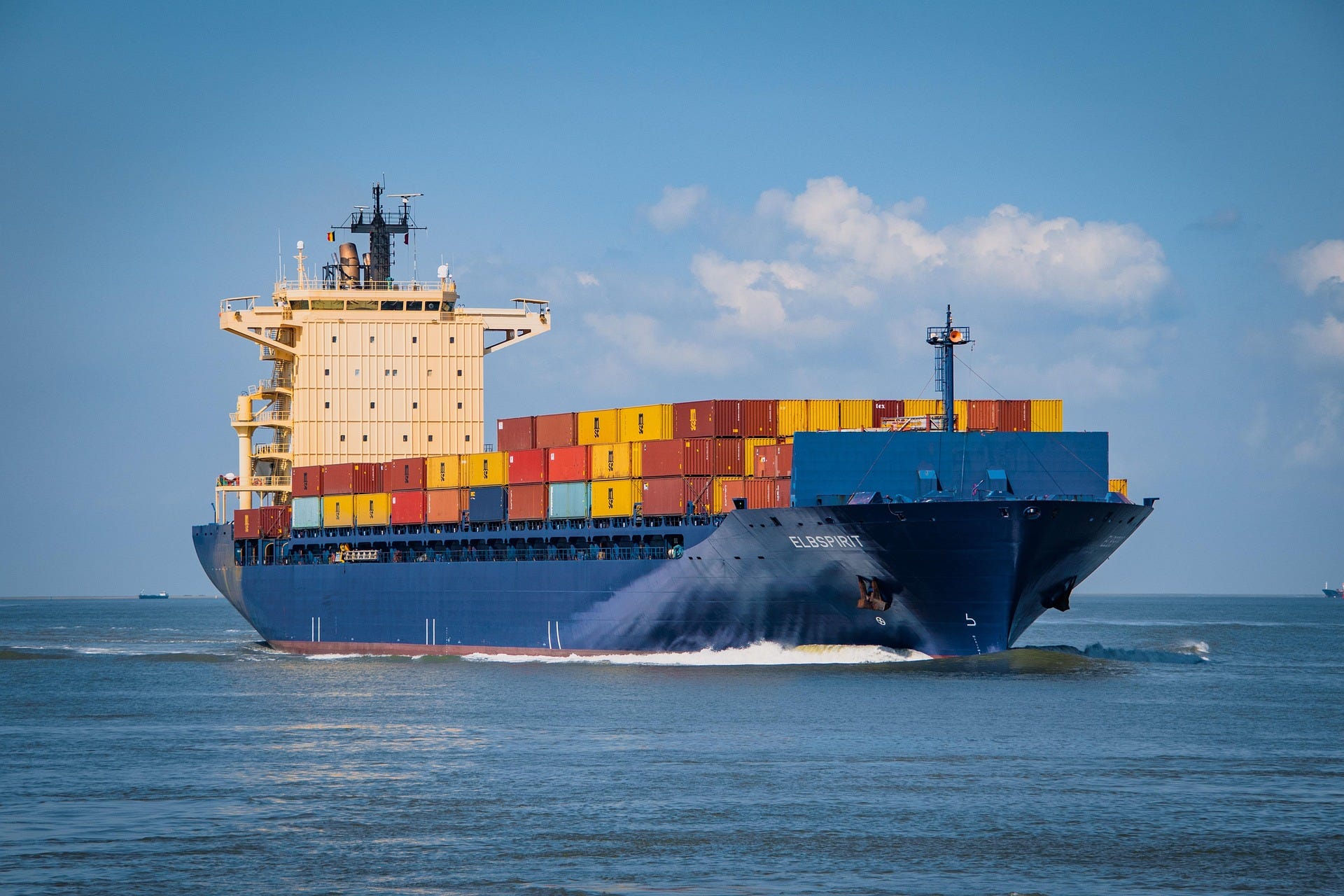
Indonesia’s Finance Minister Purbaya Yudhi Sadewa created a diplomatic kerfuffle this week when he floated taxing ships passing through the bustling Malacca Strait.
He reportedly said on 22 April 2026 that the proposal aligns with President Prabowo Subianto’s directive to position Indonesia as a central player in global trade rather than a peripheral economy.
This runs counter to the stance of Indonesia’s neighbour, Singapore, which heavily relies on free trade.
“The right of transit passage is guaranteed for everyone,” Foreign Minister Vivian Balakrishnan said in an interview released by Singapore’s Ministry of Foreign Affairs. “We will not participate in any attempts to close or interdict or to impose tolls in our neighbourhood.”
Indonesia’s Foreign Ministry likely had to attempt damage control in the aftermath. “As a trading nation, Indonesia supports freedom of navigation and expects open sea lanes,” Foreign Minister Sugiono reportedly said on 23 April. “So Indonesia is not in a position to impose such charges – that would not be appropriate.”
I wrote on 4 February that the Indonesian finance minister’s swashbuckling style may jar with the international community, who’s more used to his predecessor’s pragmatic and cautious approach. Former World Bank Managing Director Sri Mulyani Indrawati isn’t perfect, but she’s also not the type who’ll shoot first and check later.
While the president harbours an ambition to assert Indonesia on the global stage, Finance Minister Purbaya’s suggestion of imposing levies on one of the world’s busiest shipping lanes also came against the backdrop of rising fiscal pressures.
Despite Indonesia’s steady economic growth of around 5%, around 1.5 million people are left out of work each year, the Indonesian Employers Association (Apindo) said on 14 April. Around 3.5 million enter the job market annually, but the economy can only absorb roughly 2 million, according to Bob Azam, head of labour affairs at Apindo.
Indonesia is also likely on the hook for some of the mounting bills to build the China-backed Jakarta-Bandung high-speed rail known as Whoosh.
Indonesia will draw from its state coffers to settle its debt to China, State Secretary Minister Prasetyo Hadi reportedly said on 12 February, adding that technical discussions on the repayment mechanism were being led by sovereign fund Danantara.
Danantara CEO Rosan Roeslani told local media on 23 April that “the solution is already there and it will be followed up by the team to discuss it with the Chinese party.”
Since its construction in 2016, Whoosh has cost a total of USD 7.2 billion, consisting of an initial investment of USD 6 billion and a cost overrun of USD 1.2 billion, Tempo reported.
Fiscal Workarounds
I wrote as early as 11 November 2024 that Danantara may essentially function as an off-balance-sheet financing vehicle to avoid breaching Indonesia’s fiscal deficit ceiling of 3% of GDP.
Quasi-fiscal mechanisms are not uncommon globally, but investors have become more wary of Jakarta testing this “third rail” while a jump in oil prices as a result of the Iran War is pushing up Indonesia’s import costs.
I also noted on 30 July 2025 that Indonesian state-owned banks have been doing their fair share of national service, including upstreaming dividends, channelling loans for the president’s signature projects, and supporting their troubled peers.
Fitch Ratings warned that Indonesia’s growing reliance on state-owned banks to support government programs could pose longer-term risks to asset quality and the country’s policy framework, even though the banking sector currently remains resilient, The Business Times reported on 23 April 2026.
Indonesian SOEs are interconnected via criss-crossing relationships and they have historically supported each other, such as by rolling over bank loans. In the case of Garuda Indonesia, I wrote that Danantara’s capital injection into the flag carrier partly came from dividends contributed by the state-owned banks.
However, Garuda continues being bogged down by legacy leases while the airline has nearly maxed out its equity in return for Danantara’s support. I also wrote throughout last year that any attempt to renegotiate or restructure these leases is likely constrained by Garuda’s local in-court restructuring (PKPU) deal in 2022.
On 1 April 2026, Danantara Investment Management, SMBC Aviation Capital, and Mandiri Investment Management announced the framework agreement for Indonesia’s first aviation leasing fund, with an initial portfolio value of around USD 800 million, according to their press release.
While the press release did not mention Garuda, the move is likely intended to build a more favourable leasing ecosystem for the Indonesian airline. However, the sustainability of this new leasing fund depends on whether it can scale beyond the initial phase and source more aircraft.
Indonesia is a resourceful nation with the ability to find workarounds when necessary, but it will have to overcome tougher obstacles ahead.
Acrostics Asia Coverage
Acrostics Asia is an independent credit intelligence provider that connects the dots across Asian sovereigns and state-linked entities.