

📰 Weekly Roundup (17-23 Feb 2026): Indonesia’s Year of Living Dangerously | A Tale of Two South Asian Airlines | Mongolia’s Bond Gallop
Weekly newsletter

Dear Valued Contacts,
Hope you had a good Chinese New Year week! Acrostics Asia’s newsflow picked up towards the later part of the week, with coverage across Indonesia, Sri Lanka, Pakistan and Mongolia.
📒 Quick Take: Indonesia’s Year of Living Dangerously (18 Feb 2026)

I wrote that Indonesia is entering a riskier chapter as President Prabowo Subianto seems to be turning more insular.
The former general has multiple advisers, but the innermost circle is occupied by his younger brother, Hashim Djojohadikusumo, and his military schoolmate, Defence Minister Sjafrie Sjamsoeddin, according to several friends familiar with the matter.
Another prominent figure is Sufmi Dasco Ahmad (known as Dasco), a senior official in Prabowo’s Gerindra Party who serves as a deputy speaker of the House of Representatives.
In a podcast released by investigative news agency Tempo to discuss Danantara in February 2025, a group of reporters likened Dasco to the operator of a “highway” within the Indonesian parliament who played a crucial role in fast-tracking the legislative approval to set up the new sovereign fund.
📒 Quick Take: A Tale of Two South Asian Airlines (21 Feb 2026)
The flag carriers of Pakistan and Sri Lanka are flying along different trajectories: Pakistan International Airlines (PIA) was privatized while Colombo retained control of SriLankan Airlines (SLA).
In December 2025, a local consortium led by Arif Habib Group acquired a 75% stake in PIA for PKR 135 billion (USD 482 million).
On the other hand, the Sri Lankan government is keeping SLA under state control as it can tap income generated by the airline’s operations to service debt, Deputy Minister of Ports and Civil Aviation Janitha Ruwan Kodithuwakku reportedly said.
SLA announced in November 2025 that it had struck an in-principle agreement with a group of bondholders to restructure its USD 175 million guaranteed notes due June 2024. However, the carrier’s targeted recovery will likely be hampered by its struggle to renew its fleet amid an industry-wide aircraft shortage.
💼 Brief Take: Mongolia’s Bond Gallop (22 Feb 2026)
Mongolia’s Tsetsens Mining and Energy has successfully sold a USD 300 million bond due in 2031 to support the development of its Buuruljuut project.
Owned by Mongolian conglomerate Bodi Group, Tsetsens rode Asia’s bond wave to raise financing for its flagship coal-fired power plant. Even though a coal miner is typically not the easiest sell to a more ESG-minded investor base, Tsetsens’ issuance was likely pitched as a rare high-yield bond from a fast-growing space.
Mongolia will likely be an increasing source of debt supply in both the onshore and offshore markets, though the frontier economy is not without its risks.
Writing about Tsetsens’ bond issuance reminded me of my travels to Mongolia nearly two years ago.
During my short trip, I slept overnight in a Ger (Mongolian tent) owned by a herdsman’s family on a vast plain around four to five hours’ drive from Ulaanbaatar.
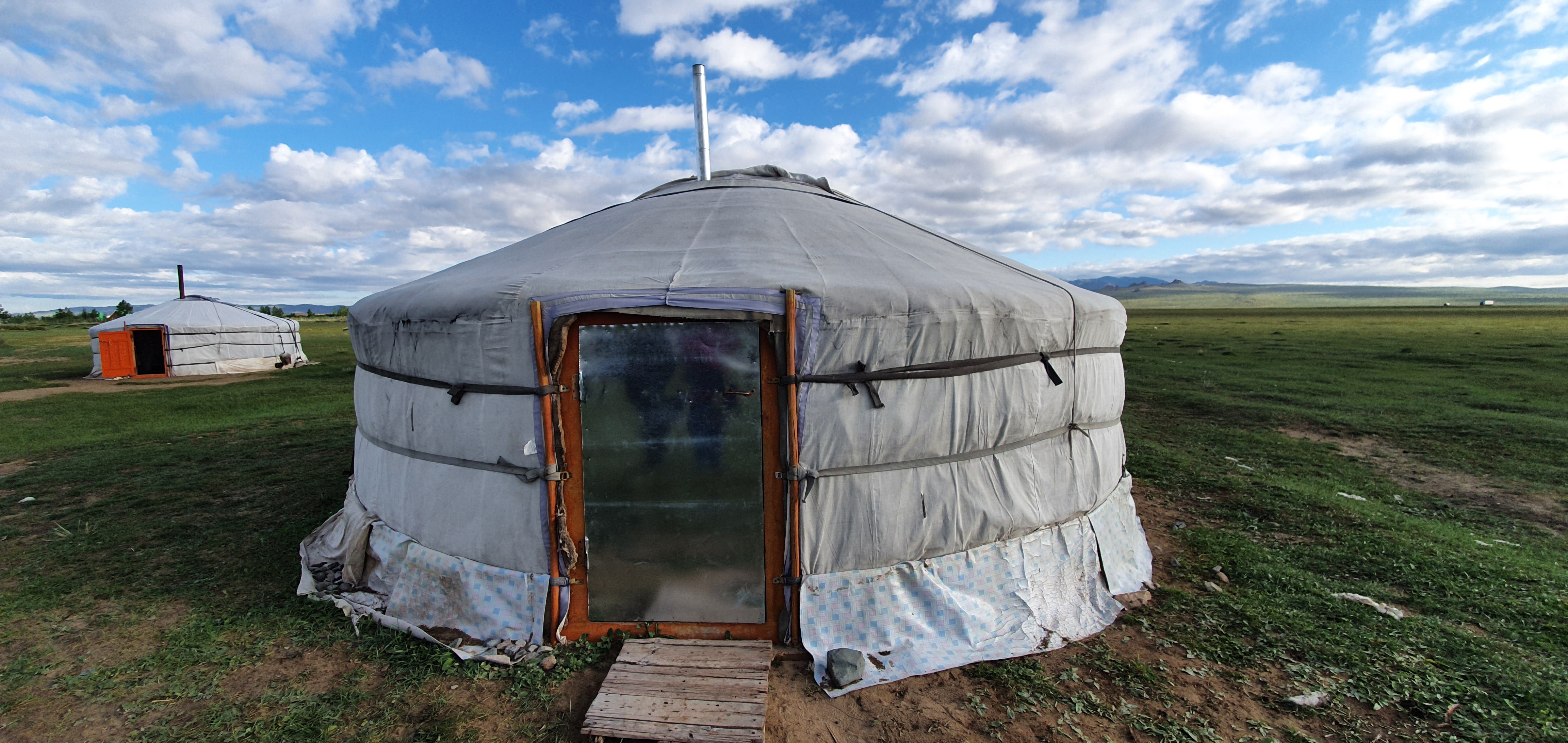
A couple of days later, I went to an Amy Winehouse tribute concert at a jazz club in the Mongolian capital.

The contrast was so jarring that I wrote in my journal back then that I felt like I was in two countries. One of my guides told me that sometimes he worries whether Mongolia was growing fast enough, but noted that development comes at a cost.
Mongolia may have to balance the differing aspirations of its people, as some nomadic herders prefer a traditional way of life while others are hungry for a more rapid pace of development.
Nevertheless, Mongolia’s capital markets will likely gallop forward as the ambitions of its private companies and state-linked entities should translate to higher funding needs.
As always, I welcome tips and feedback at eveline.danubrata@acrosticsasia.com.
Have a good week ahead!
Best,
E