

👟 Walk the Talk: Novaland
Acrostics Asia draws patterns across Asian restructurings and helps readers to anticipate what lies ahead for the Vietnamese developer.

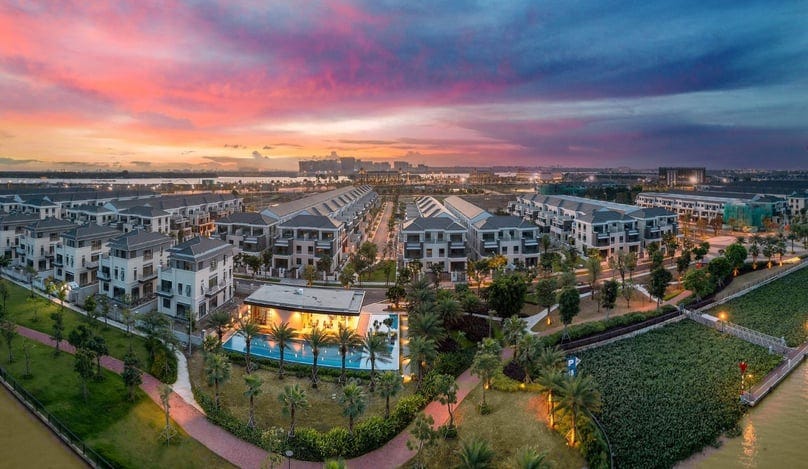
Acrostics Asia connects the dots across Asian restructurings and helps readers to anticipate what lies ahead for Vietnamese developer Novaland.
On 9 June 2025, Acrostics Asia flagged that the company had to go through a second round of restructuring as its cashflow was tied up by project delays. This was confirmed two months later when it proposed to swap 320 million shares with shareholder loans and corporate bonds.
Acrostics Asia also wrote that Novaland had mostly followed the Chinese restructuring playbook of converting some debt into equity and prioritizing local creditors.
Key Timeline
Barely a year after completing a Singapore scheme of arrangement, Novaland was already missing payments on its restructured offshore bond.
Acrostics Asia wrote that Novaland’s predicament appeared to be a cross between the typical troubles in China and Indonesia.
Acrostics Asia took a snapshot of Novaland’s financial and legal challenges, as the developer reported heavy losses and net operating cash outflow.
Novaland’s management said it had the potential to reverse sizeable provisions tied to its Lakeview City project as “the issues related to land use fees” were resolved.
Novaland announced its plan to swap a total of 320 million shares with some of its debt.
Acrostics Asia analyzed Novaland’s results for the first half of 2025, which showed that its sales increase was not matched by cash generation.
Vietnam’s government inspectorate reportedly asked the police to probe Novaland for possible misuse of bond proceeds.
Acrostics Asia wrote that the potential police investigation may create an overhang that restricts Novaland’s access to the local bond market.
Acrostics Asia wrote that Southeast Asia’s restructuring scene was mixed in 2025, with Malaysia and Singapore achieving certain milestones.
However, Vietnam’s bankruptcy law is considered largely untested and ad-hoc negotiations with individual creditors remain a common restructuring tool.
Novaland was reportedly in talks to raise fresh funds to repay all of its retail bonds by June 2026.
Acrostics Asia wrote that Novaland had prioritized local creditors to avoid burning bridges onshore, while offshore bondholders were structurally disadvantaged.
Acrostics Asia wrote that local banks may prefer working it out with the borrowers because they are exposed to both the developers and their owners.
On top of providing corporate and personal loans, some banks also hold a significant chunk of the bonds issued by the developers.
Despite its revenue drop last year, Novaland reported an increase in gross profits due to an accounting reversal related to its Lakeview City project.
While Novaland’s cashflow remained under pressure, the developer retained access to domestic loans.