👟 Walk the Talk: Asia’s Property Pain
Acrostics Asia unpacked the underlying drivers of the property strain in China and Vietnam as well as the retail squeeze in Singapore.


China’s property sector is intertwined with its local government financing vehicles (LGFVs), complicating official efforts to unclog the bad debt in the system.
In Vietnam, Novaland is back in a cash crunch barely a year after completing its Singapore restructuring. Acrostics Asia wrote that the Vietnamese developer is following the Chinese restructuring playbook, such as converting some debt to equity and prioritizing local creditors.
Meanwhile, businesses are grappling with rising operating costs in Singapore. Rents in the city-state should eventually be pulled down as a huge supply wave will roll in from 2029, but many retail operators may not survive until then.
China’s Double Helix
Acrostics Asia wrote on 2 May that Chinese developers such as Sunac China Holdings had started dropping the pretend-and-extend exercise and the decks were stacked against offshore creditors.
While China sought to clear the unpaid bills owed by local governments to the private sector, Acrostics Asia noted on 12 September that transferring the risk to the banks may create another problem if there’s no market mechanism for bad debt to exit the system.
Acrostics Asia wrote on 25 October that policymakers are gradually weeding out the weaker LGFVs by curbing their debt binge. This was followed by an analysis of the proposed overhaul of China’s bankruptcy law that could be its most sweeping reform in nearly two decades.

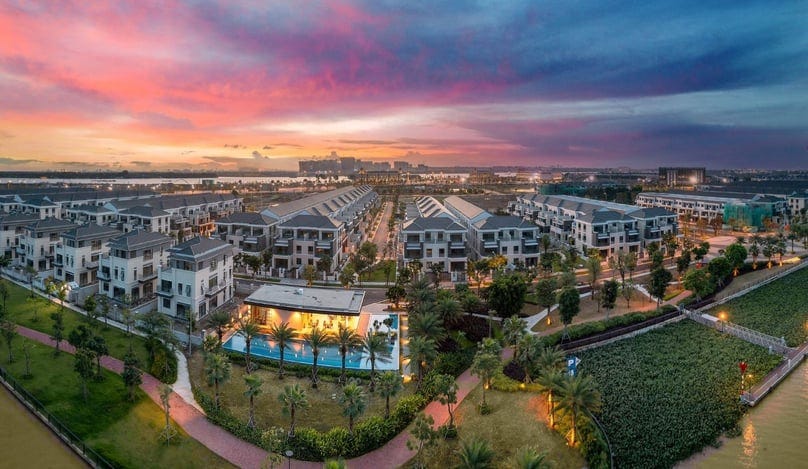
Novaland’s Debt Woes 2.0
Acrostics Asia flagged on 9 June that barely a year after completing a Singapore scheme of arrangement, Novaland was heading towards a second debt restructuring as its cashflow was tied up by red tape in Vietnam.
This was confirmed two months later when Novaland proposed to swap 320 million shares with some of its debt. Acrostics Asia wrote that the Vietnamese developer had adapted the Chinese playbook of converting debt into equity, as its sales increase was not matched by cash generation.
On 20 October, Acrostics Asia noted that a potential overhang from a police probe into the use of bond proceeds may further constrict Novaland’s funding channels and complicate its latest restructuring. This was followed by an analysis laying out the structural disadvantages of Novaland’s offshore bondholders.
Singapore Squeeze
On 4 March, Acrostics Asia wrote that the jump in Singapore liquidations to the highest in at least 15 years was partly driven by the expiry of government-backed loans given during the pandemic. Acrostics Asia also flagged that more F&B and retail businesses risked being shuttered because of rising rents.
Acrostics Asia analyzed the collapse of Singapore-based private club 1880 in June, followed by cinema operator The Projector in August. The Projector built a loyal following in Singapore’s indie scene, but rents alone would have eroded at least 30% of its annual revenue.
While rents in Singapore should eventually be pulled down by an expected supply wave from 2029, Acrostics Asia wrote on 31 August that many retail operators may not survive over the next four years.