

📒 Quick Take: Indonesia’s Plane Pool
Indonesia is pooling the fleet of its state-owned airlines to overcome their plane shortage.

An aviation holding company is being set up to oversee flag carrier Garuda Indonesia and its budget unit Citilink, along with Pelita Air.
The global fight for planes and components may complicate Garuda’s mission to turn around its operations this year.
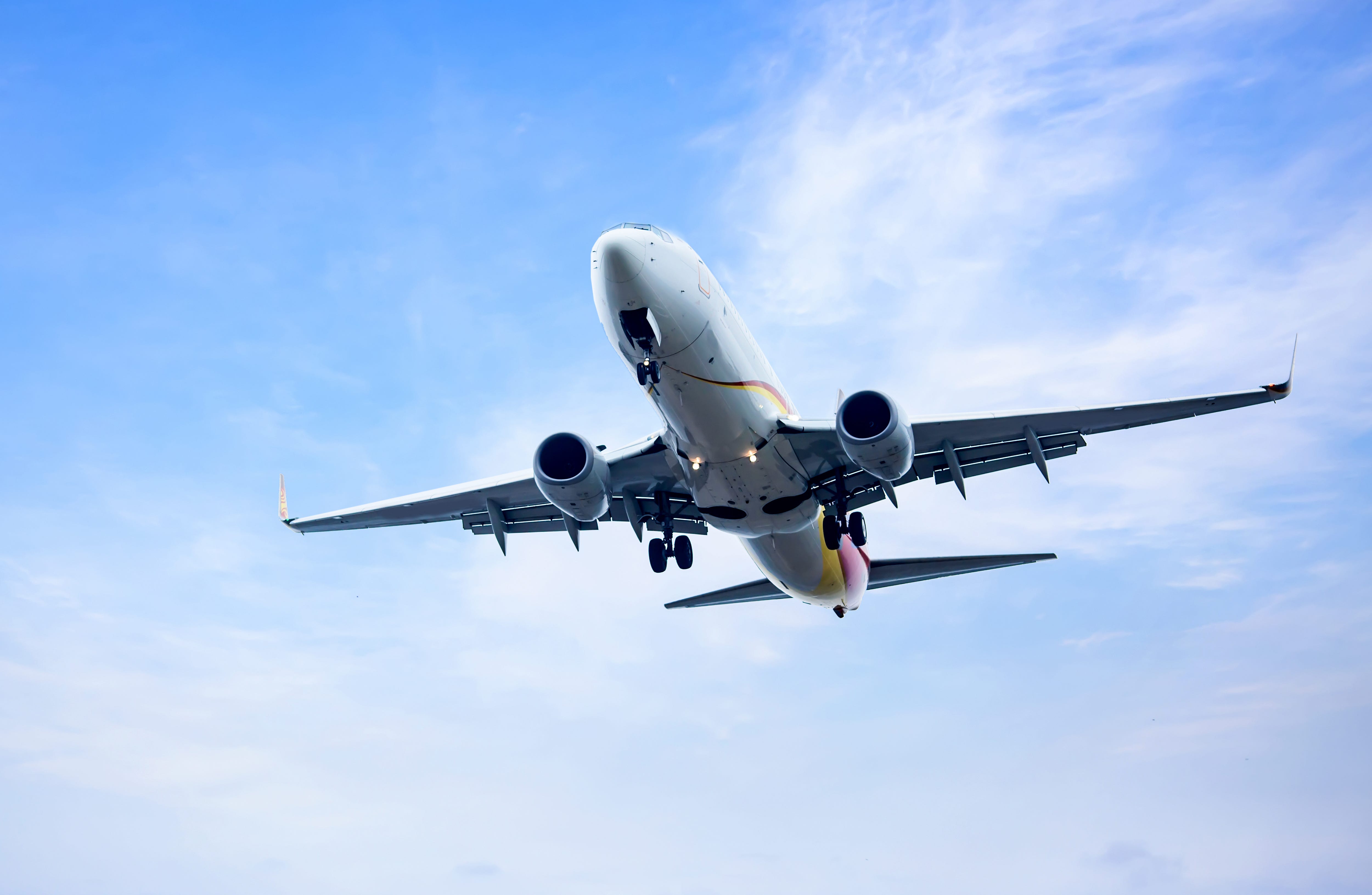
Indonesia is pooling the fleet of its state-owned carriers to overcome their plane shortage – like the airline version of a carpool.
Sovereign fund Danantara Indonesia aims to form an aviation holding company in the first half of this year, Managing Director of Stakeholders Management Rohan Hafas told local media this week.
The new holding company will oversee flag carrier Garuda Indonesia and its budget unit Citilink, along with Pelita Air, a subsidiary of state-owned energy company Pertamina.
On 24 April 2025, Acrostics Asia reported that Garuda was struggling to meet its required aircraft maintenance expenses and had to ground some planes due to a shortage of components. My review of Garuda’s results for the first half of 2025 also showed that it was squeezed from all sides by aircraft leases and maintenance.
I wrote on 25 September 2025 that the driver for a potential merger between Garuda and Pelita Air was likely to consolidate their resources, as the aircraft supply chain lagged behind the post-pandemic travel boom.
Danantara’s Hafas said on 26 February 2026 that the formation of the aviation holding company is “crucial to get extra income without adding planes”, as Garuda, Citilink and Pelita Air can combine their fleet to serve the same routes or travel bookings.
However, the fund is still considering whether to merge the three airlines into one carrier, or to pursue an “operational alliance”.

“Everyone is Queuing”
Danantara is assessing Indonesia’s plan to buy 50 Boeing planes as part of the Southeast Asian nation’s trade agreement with the US, but a key factor for consideration is the long delivery timeline of up to seven years, according to Hafas.
“We need (the planes) faster than seven years,” he said, adding that global airlines are waiting in line for planes manufactured by Boeing and Airbus. “Everyone is queuing.”
While Danantara hasn’t discussed the source of financing for the Boeing plane purchase, Hafas said there are several options, such as supplier credit, direct installments to the plane manufacturer, and bank loans.
Danantara is also not ruling out injecting more capital into Garuda to increase its fleet in future, Hafas said. For now, the fund is “remapping” the airline’s routes to focus on those with a higher load factor, such as flights to and from Surabaya, the largest city in the East Java province.
Danantara was initially set to inject USD 1.8 billion into Garuda, but the fund cut that amount to USD 1.4 billion in November 2025. The use of proceeds also shifted from a fleet expansion towards paying the fuel debt owed by Garuda’s budget unit Citilink to Pertamina.
Elevated Costs
Garuda is not alone in its struggle to rejuvenate its fleet.
Another flag carrier, SriLankan Airlines, needs at least seven more planes to ramp up its recovery, but “it is challenging for the government to obtain even one on a dry lease because of the shortage,” Deputy Minister of Ports and Civil Aviation Janitha Ruwan Kodithuwakku reportedly said.
In Australia, Qantas Airways’ shares dropped the most in almost a year on 26 February after earnings from its international unit unexpectedly fell, Bloomberg reported. The company blamed “elevated engineering and industry costs” and “higher wages across some operational workgroups” at Qantas International.
Airlines around the world are fighting for both planes and components, which may complicate Garuda’s mission to turn around its operations this year.