

📒 Quick Take: A Tale of Two South Asian Airlines
The flag carriers of Pakistan and Sri Lanka are flying along different trajectories.

The Pakistani government concluded the privatization of its flag carrier after selling a 75% stake to a local consortium.
On the other hand, Colombo decided to retain control of SriLankan Airlines.
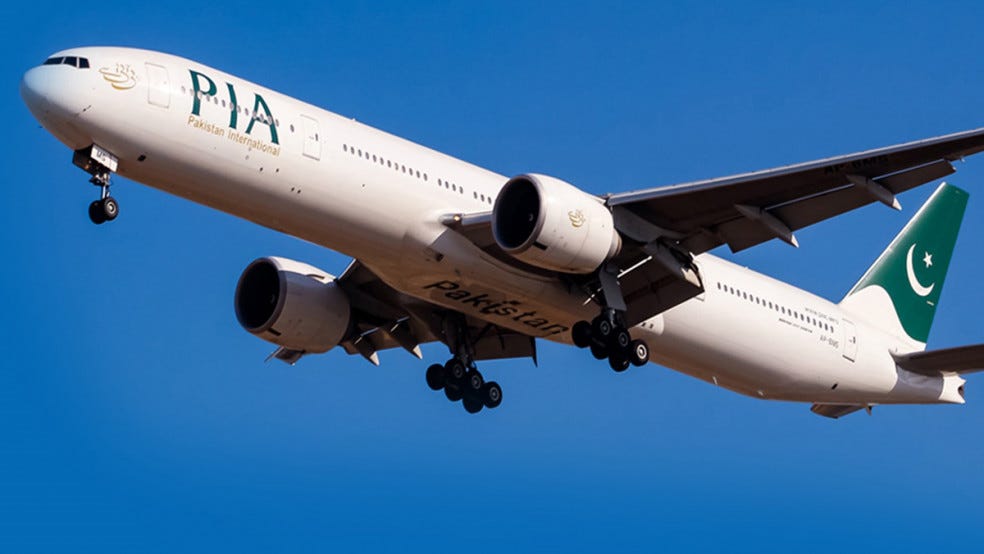
The flag carriers of Pakistan and Sri Lanka are flying along different trajectories: Pakistan International Airlines (PIA) was privatized while Colombo retained control of SriLankan Airlines (SLA).
I wrote on 11 November 2025 that flag airlines like SLA and Garuda Indonesia have been kept airborne despite their constant battle for cash, while some countries like Pakistan recalculated the costs of flying their national symbols.
The Pakistani government concluded PIA’s privatization process, after previously attempting to reform the debt-ridden airline that had accumulated more than USD 2.8 billion in losses over the years, Arab News reported.
In December 2025, a local consortium led by Arif Habib Group acquired a 75% stake in PIA for PKR 135 billion (USD 482 million) after several rounds of bidding, valuing the airline at PKR 180 billion (USD 643 million), according to Arab News.
PIA’s new owners seem to have big plans for the carrier.
Arif Habib, the chairman of the consortium, reportedly said PIA aims to more than triple its fleet to 64 planes – from 19 currently – within eight years. He also said the consortium may buy the Pakistani government’s remaining 25% stake and offer part of it to a strategic investor, preferably a foreign airline, to make PIA more competitive.
The management also plans to list 5-10% of PIA within a year of taking over the airline’s operations, Bloomberg reported, citing another member of the consortium. AKD Group’s Aqeel Karim Dhedhi added that PIA will offer direct flights to and from Pakistan so it can reclaim market share from other airlines that provide transit flights.

State Control
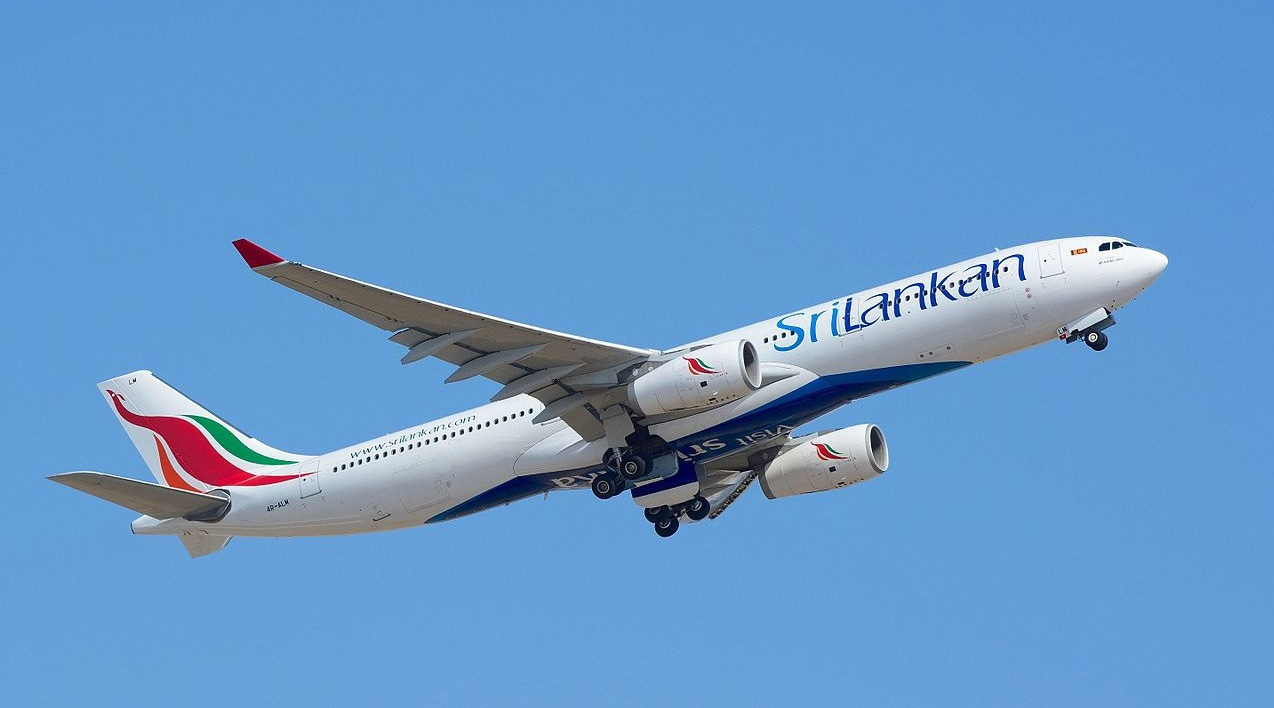
On the other hand, the Sri Lankan government is keeping SLA under state control as it can tap income generated by the airline’s operations to service debt, The Morning reported on 20 February 2026, citing Deputy Minister of Ports and Civil Aviation Janitha Ruwan Kodithuwakku.
In his budget speech in November 2025, President Anura Kumara Dissanayake said that Sri Lanka’s previous attempt to sell SLA failed to generate enough interest from buyers and the government would give the airline’s management some time to implement its turnaround plan.
Later that month, SLA announced that it had struck an in-principle agreement with a group of bondholders to restructure its USD 175 million guaranteed notes due June 2024. The restructuring was set to include a 15% haircut, with the balance settled via a mix of cash and an exchange with sovereign bonds, according to the company.
I wrote on 20 November 2025 that the deal would likely be the best outcome for the bondholders, as a clause in Sri Lanka’s restructuring should give the nation a justification not to give special treatment to any group of creditors.
SLA received LKR 25.2 billion (USD 81.6 million) of capital from the government in December 2025 and is now scouting for a partner to either manage or invest in the airline, local media reported. SLA had also placed advertisements to appoint a new CEO after its previous chief, Richard Nuttall, stepped down to run Philippine Airlines.
However, SLA’s targeted recovery will likely be hampered by its struggle to renew its fleet amid an industry-wide aircraft shortage.
Kodithuwakku, the deputy minister, told Daily Mirror that the airline would need at least seven more planes, but “it is challenging for the government to obtain even one on a dry lease because of the shortage.”