

💼 Brief Takes: Vietnam’s Risk Zone | Singapore’s Missing Cars
Concise insights on multiple news items

Vietnam’s property sector is likely to be a risk zone for banks, which are exposed to both the developers and their owners.
In Singapore, DBS applied for a freezing order as the biggest lender to car rental group Autobahn moved to preserve its assets.
Vietnam’s Risk Zone
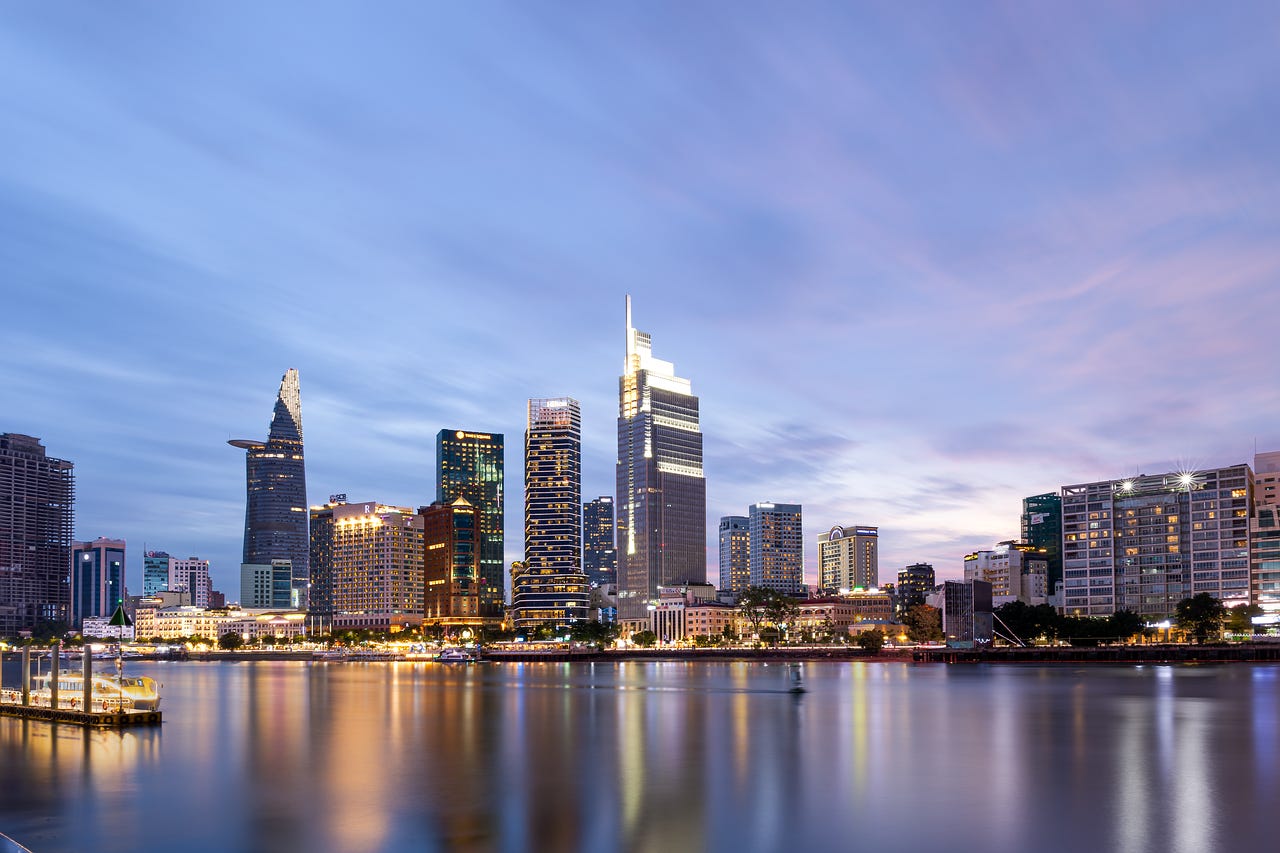
Vietnamese lenders are providing more pledges to cover borrowers if they fall short paying back debt, prompting some rating firms to warn of hidden risks in one of the world’s fastest-growing economies, Bloomberg reported on 28 January 2026.
Eveline’s Take
Vietnam’s property sector is likely to be a risk zone for banks, which are exposed to both the developers and their owners. On top of providing corporate and personal loans, some banks also hold a significant chunk of the bonds issued by the developers.
I flagged in June last year that Novaland had to go through a second round of debt restructuring as its cashflow was tied up by project delays. Like other Vietnamese developers, Novaland also fell into distress after the authorities cracked down on corporate bond issuances.
The musical chairs concept – whereby a borrower lines up new lenders to take out the existing ones – is applicable across Asia’s high-yield markets, and Vietnam’s property sector is no exception. With domestic bondholders taken out of the game, the banks and offshore investors risked holding the bag if the music stops.
These risks are amplified by the prolific use of standby letters of credit (SBLCs). Banks usually avoid extending these SBLCs because it’s like sticking their necks out for the borrowers – and yet Bloomberg reported that this off-balance-sheet arrangement has been “a popular way to make guarantees.”
Furthermore, Vietnamese banks have one of the thinnest capital buffers in the region. Their Tier 1 capital ratio – which compares core equity capital to total risk-weighted assets – was estimated at 9.5% last year, versus 23% for banks in Indonesia, 17.5% for lenders in Thailand, and 15.6% for those in Malaysia, Bloomberg reported, citing Fitch data.
I wrote last year that local banks are seen to have an upper hand over foreign creditors in Vietnam, where the bankruptcy regime is largely untested. However, even the banks may hesitate to act against some powerful tycoons.

Singapore’s Missing Cars

Two directors and five companies of the Autobahn Rent A Car group were served a freezing order by Singapore’s High Court on 9 January 2026, as creditors allege fraud and the failure to disclose the location of vehicles under loans, Business Times reported.
This freezing order, or Mareva injunction, is commonly described as a “nuclear” move in civil litigation.
Eveline’s Take
At the core of the case, Autobahn allegedly obtained double financing, whereby it borrowed to purchase cars and then used these vehicles to get fresh financing even though the first loan was not repaid yet.
Given that the same collateral was pledged to multiple financiers, this creates uncertainty on which lender would have the recognized claim over the asset. But right now creditors have a bigger problem in their hands: 266 cars already went missing.
DBS – the single largest creditor which is owed a total of around SGD 101.9 million (USD 80.7 million) by Autobahn – reportedly applied for the freezing order. The Singapore bank had financed a total of 720 vehicles and likely moved to preserve the remaining assets.
A one-off recognition of DBS’ loan exposure to Autobahn was estimated to hike credit costs by around 10 basis points in the fourth quarter of 2025, Singapore Business Review reported, citing CGS International.
The Autobahn wreck came after banks in the city-state grappled with losses arising from the implosion of O.K. Lim’s oil trader Hin Leong and Ng Yu Zhi’s Envy nickel scheme. This may create a ripple effect as banks step up scrutiny of their financing arrangements, at least in the short term.