

💼 Brief Take: Two Sides of Hong Kong’s Property Coin
Hong Kong’s commercial property market is on the upswing, yet bankers handling bad loans in the city are busier than ever.

Some property loans were structured through special purpose vehicles (SPVs), limiting the recourse that the banks can pursue against the sponsors.
Banks may decide to enforce the loans during a market rebound rather than kicking the can down the road.
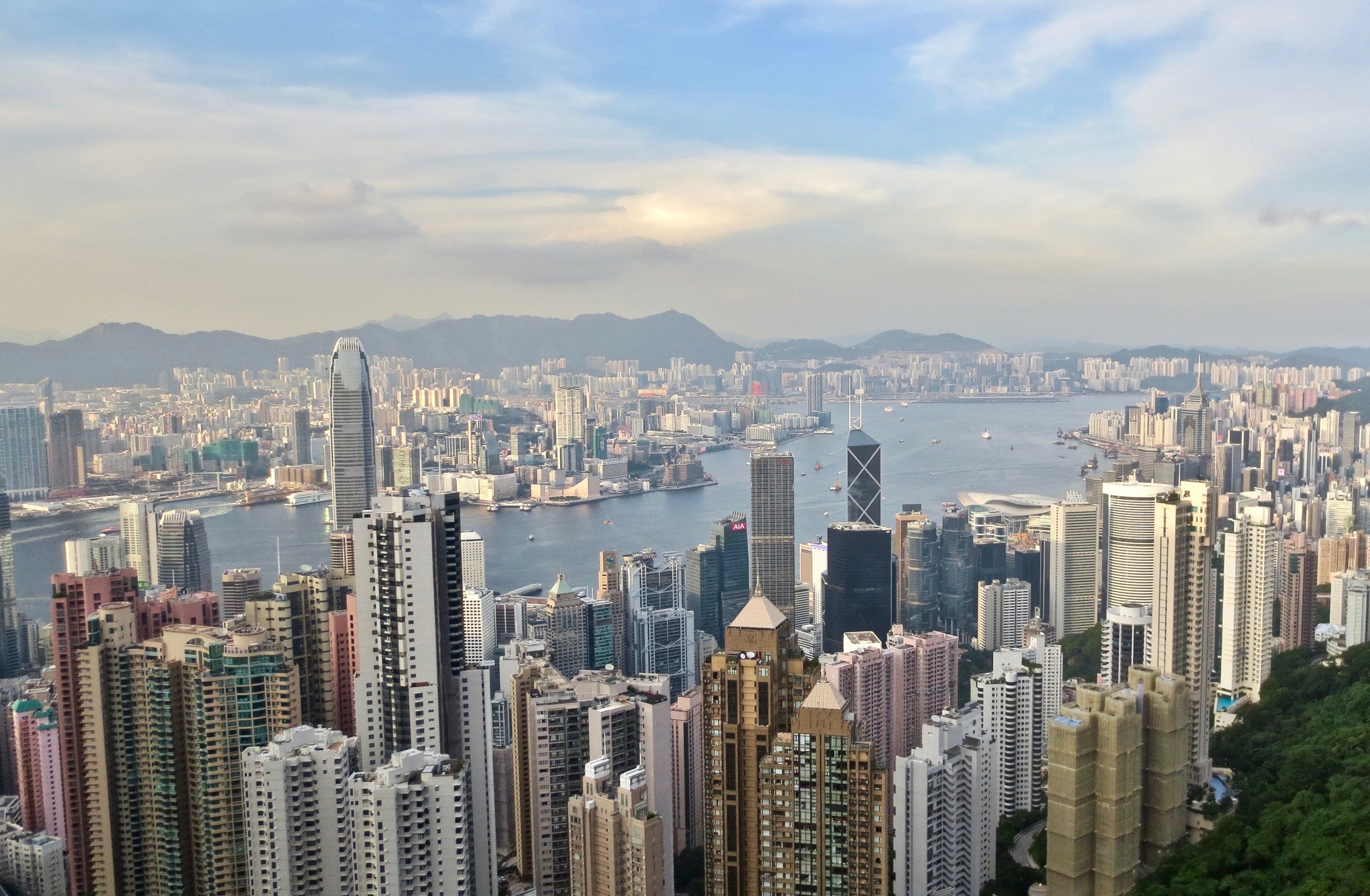
The Asia-Pacific region’s commercial property investments surged in the first quarter, boosted by early signs of recovery in Hong Kong’s office and retail segments, South China Morning Post (SCMP) reported on 12 May 2026.
Total investments in offices, retail spaces, industrial units, data centres, hotels, apartments, senior housing and other asset classes climbed 22% to USD 51.1 billion from the same period in 2025, according to MSCI data cited by SCMP.
Hong Kong contributed USD 1.8 billion, a 367% surge, the second-biggest improvement after Singapore.
Eveline’s Take
Hong Kong’s commercial property market seems to be on the upswing, and yet Bloomberg reported on 11 May that bankers handling bad loans in the city are busier than ever. These bankers have increasingly been selling collateral or pushing borrowers into liquidation, often due to losses on Hong Kong commercial real estate.
The pictures painted by these reports may seem contradictory, but they’re actually two sides of the same coin.
Some loans were structured through special purpose vehicles (SPVs), limiting the recourse that the banks can pursue against the sponsors in the event of a default, according to a friend familiar with the matter. While sponsors often request an extension or a restructuring, the banks may decide to enforce the loans during a market rebound rather than kicking the can down the road.
Furthermore, these sponsors may see little risk to their reputation if they have no shortage of investors who are willing to finance future deals. In short, any fallout from the property default is contained within the SPV, leaving the bad-debt managers to try and recover whatever they can.
In its report, Bloomberg described the uneasy interactions between recovery specialists and relationship managers in some cases. This tension is real, as relationship managers tend to be incentivized by the fees generated from a pipeline of deals. The degree of accountability when a loan goes bad also depends on the internal culture of the bank.
Nevertheless, Hong Kong at least has some pockets of recovery in its property market while the outlook remains bleak on the mainland. I wrote on 8 March that the developers, banks, local government financing vehicles (LGFVs) and household wealth are all tied together in China, hampering official efforts to undo this Gordian knot.
Re-defaults in China’s bond market are rising, signalling continued strain in the property sector despite tightened default restrictions, S&P Global Ratings said in its report on 11 May.
“Since 2020, 40% of defaulted onshore bonds re-defaulted after restructuring. Re-defaults first spiked in 2023 after the first round of property weakness in 2022, and again in 2025 after the second round in 2024,” according to S&P. “A third round this year may lead to the same in 2027.”
Acrostics Asia Coverage
Acrostics Asia is an independent credit intelligence provider that connects the dots across Asian sovereigns, private credit and restructurings.