

💼 Brief Take: Danantara’s Sovereignty
While Danantara collects dividends from Indonesian state-owned enterprises, the fund cannot print money or extract taxes.

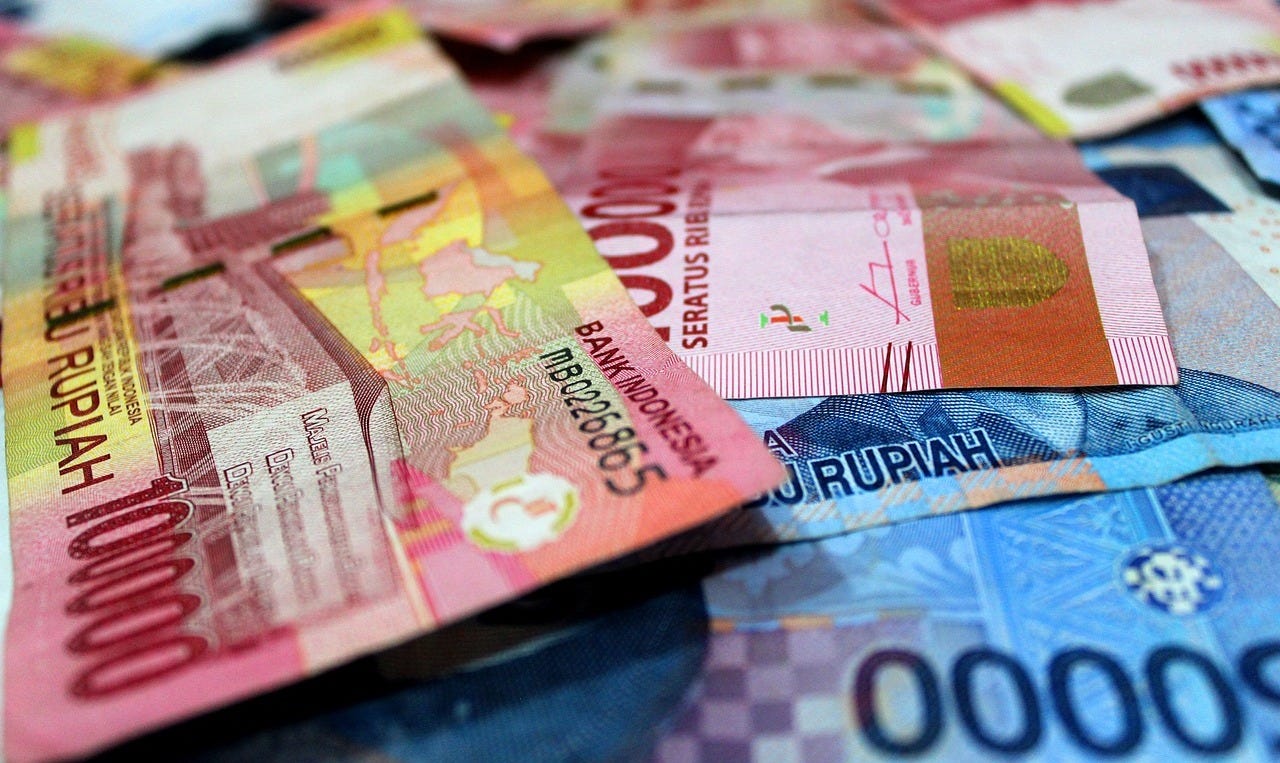
Indonesian sovereign fund Danantara helped to ease fiscal pressures by securing financing at far lower costs than the Indonesian government, Bloomberg reported on 1 December 2025, citing Rain Yin, an S&P sovereign analyst.
The 2% coupon for Danantara’s “patriot bonds” is “really unbelievable for Indonesia, lower than what the government needs to pay,” Yin said.
Eveline’s Take:
🔸 This comment actually highlights the crux of Danantara’s existence. In November 2024, I wrote that Danantara was likely conceived to raise debt for President Prabowo Subianto’s development agenda without busting Indonesia’s fiscal deficit ceiling. Boiled to its essence, Danantara functions as an off-balance-sheet financing vehicle for the Indonesian government.
🔸 Danantara’s ability to borrow internationally hinges on whether it’s seen as a sovereign or not. Proponents may argue that Danantara’s legal standing as a sovereign entity is enshrined in Indonesia’s revised law governing state-owned enterprises (SOEs) that was passed in February.
🔸 Putting aside the legal or philosophical definitions of sovereignty, the key aspect that matters for lenders is the fiscal wherewithal of the borrower. As the holding company and shareholder of the SOEs, Danantara collects dividends that previously flowed to the state budget.
🔸 However, Danantara cannot print money like the US Treasury or collect taxes like Indonesia’s Finance Ministry. In short, Danantara doesn’t have the ability to create new money or extract taxes – but its footing in the offshore arena rests on its perceived state backing.

🔸 Danantara is syndicating a USD 1 billion-equivalent unsecured loan, far below the USD 10 billion credit line that it was reported to have clinched in July. It’s plausible for Danantara to need a smaller loan after raising USD 3 billion from the patriot bonds. In fact, the fund is reportedly preparing to issue a second batch of domestic notes worth an additional IDR 12.6 trillion (USD 759 million).
🔸 A Danantara official also said on 28 November that the fund is considering global bonds for diversification. I wrote in October that Asia’s bond tide is returning as investors are keen for fresh supply beyond China. I also laid out the concept of the musical chairs, whereby banks, bondholders and private credit funds swap seats with each other.
🔸 For the musical chairs to work, however, the players must believe that they can get taken out in time. Danantara should be able to issue some offshore notes, but the question is whether bondholders would be willing to get repaid after the banks. Otherwise, Danantara may have to figure out how to avoid a maturity wall of both the loans and bonds coming due in three years.