

📚 Acrostics Anatomy: Singapore Squeeze
Businesses are grappling with rising operating costs in the city-state.

💼 Brief Take: Singapore Winding (4 March 2025)
💼🎞️ Brief Take: Reality Bites for 1880 (21 June 2025)
📒 Quick Take: The Aftermath of 1880’s Collapse (24 June 2025)
📒 Quick Take: Costs Killed Singapore’s Cinema Star (24 August 2025)
📒 Quick Take: Singapore’s Rental Quandary (31 August 2025)
💼 Brief Take: Singapore Winding
4 March 2025
The increase in liquidations could be due to the expiry of government-backed loans that were given to support businesses during the pandemic.
Singapore faces global trade headwinds while some F&B and retail businesses are struggling with heavier rents.
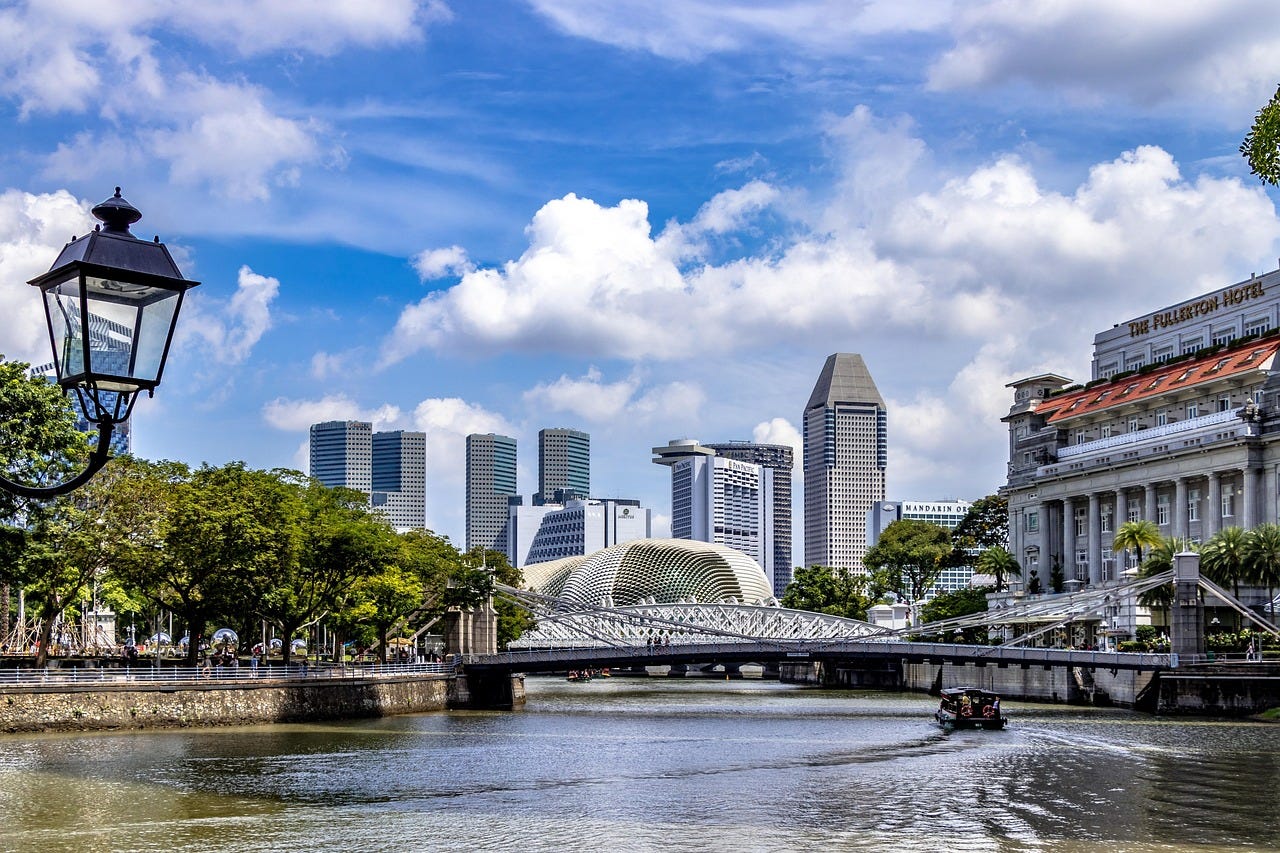
Singapore-registered companies that were forced to be wound up hit the highest level in at least 15 years, the Straits Times reported on 3 March 2025, citing data from the Ministry of Law.
There were 307 compulsory liquidations in 2024, the highest since the data was first collected in 2009, according to the Singapore newspaper. That was also more than 201 cases in 2023 and the pre-Covid peak of 287 in 2019.
Eveline’s Take:
🔸 The increase in liquidations could be due to the expiry of government-backed loans that were given to support businesses during the pandemic, according to two Singapore-based restructuring friends. In short, the numbers may have gone up as the backlog in the system was being cleared.
🔸 Singapore’s Covid-era measures included the Temporary Bridging Loan Programme, which provided eligible businesses with access to working capital, according to an April 2020 note written by White & Case.
🔸 The compulsory liquidations reportedly represented less than 0.1% of the total number of business entities in Singapore. Nevertheless, Singapore faces global headwinds this year as the US slapped tariffs on its key trading partners.
🔸 Some businesses—particularly those in the F&B and retail sectors—are also struggling to bear heavier rents in Singapore. Marks & Spencer reportedly closed its store at Parkway Parade in February, joining at least seven other tenants that had vacated the suburban shopping mall over the past year.
🔸 Property landlords must service their mortgages while real estate investment trusts (REITs) have to deliver returns to their unitholders. But if the rent increase is unchecked, more businesses risk being shuttered in Singapore.
💼🎞️ Brief Take: Reality Bites for 1880
21 June 2025
The snapshot that’s emerging from Asian private club 1880’s abrupt closure is of an ambitious management who made poor decisions along the way.
A potential white knight for 1880 Singapore is its own staff backed by the club’s landlord, Singapore property scion Kishin RK of RB Capital Group.
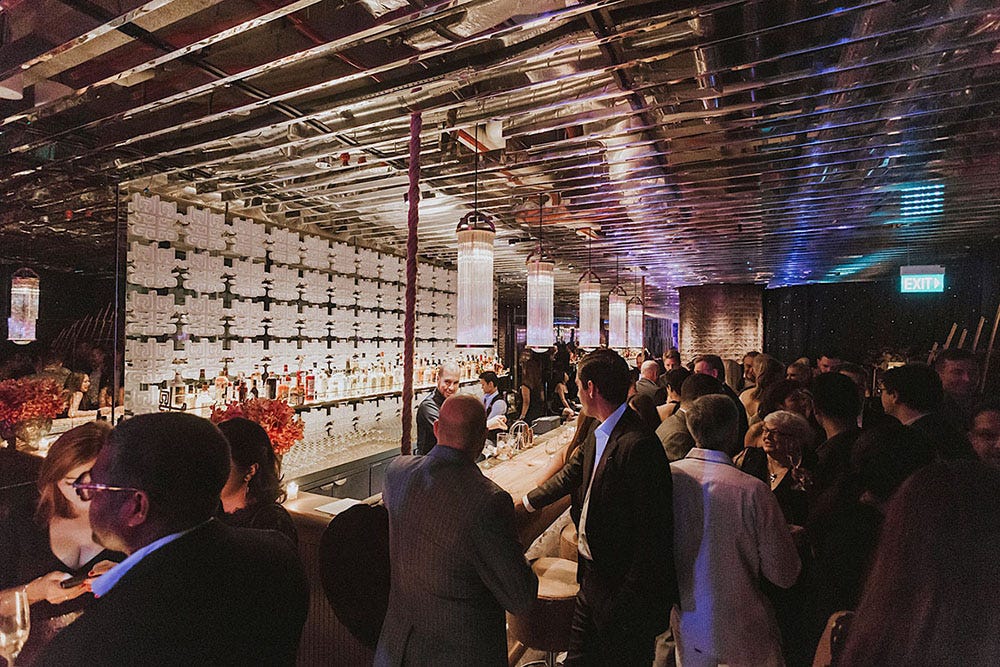
🔸 The hospitality business is hard, but the snapshot that’s emerging from Asian private club 1880’s abrupt closure is of an ambitious management who made poor decisions along the way.
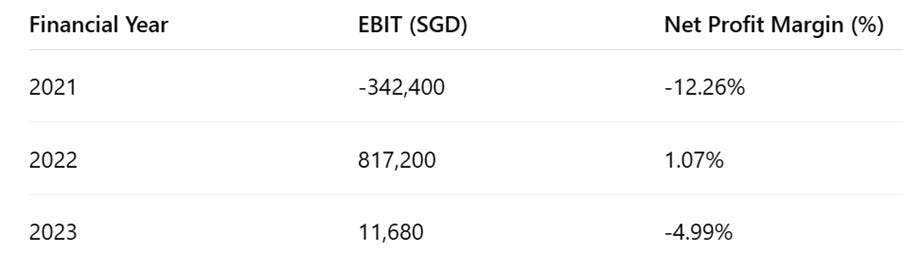
🔸 The earnings and net profit margins of the Singapore operating company, 1880 Pte Ltd, were negative in its 2021 financial year, briefly bounced in 2022, and went downhill again a year later, according to records obtained by South China Morning Post (SCMP).
🔸 The 2022 bump was likely attributed to the post-pandemic resurgence of social activities, but the tough reality returned to bite afterwards. Instead of holding the fort in Singapore, 1880’s founders decided to go on an expansion spree overseas. Apart from the bad timing, the bosses also splurged on a 50,000-square-foot club spread across four floors in Hong Kong and a six-storey beachside hotel in Bali that was never completed.

🔸 In Hong Kong, the management hired too many staff too quickly and ordered “tens of thousands of cake packaging materials for an eatery that did not sell cakes,” SCMP reported, citing one of the employees. Shortly before it folded, the club was still recruiting members and promoting events, while founder Marc Nicholson reportedly assured staff that a “very big investor” was going to save the business.
🔸 Nicholson also told the Hong Kong members that they would receive a one-year membership at the Singapore club, which would continue under a new group, and access to a worldwide network. The Straits Times reported that potential investors for 1880 included a sovereign wealth fund and a privately held real estate group.
🔸 Then in June 2025, Nicholson announced that despite three offers to invest in or acquire 1880, the club was “unsuccessful in getting those offers over the line” and had “no alternative but to close.” Nicholson didn’t explain in his farewell message why none of the offers got across the line.
🔸 In the end, the white knight who actually came was 1880’s own staff backed by the club’s landlord, Singapore property scion Kishin RK of RB Capital Group. “Buying it out of liquidation is the best value for him. And it cleans up the capital structure away from creditors,” a restructuring friend said.
📒 Quick Take: The Aftermath of 1880’s Collapse
24 June 2025
Why it would make sense for Singapore property scion Kishin RK to buy 1880 Singapore out of liquidation.
1880’s management may face legal repercussions if they are proven to have sold memberships despite knowing that the club was going bust.
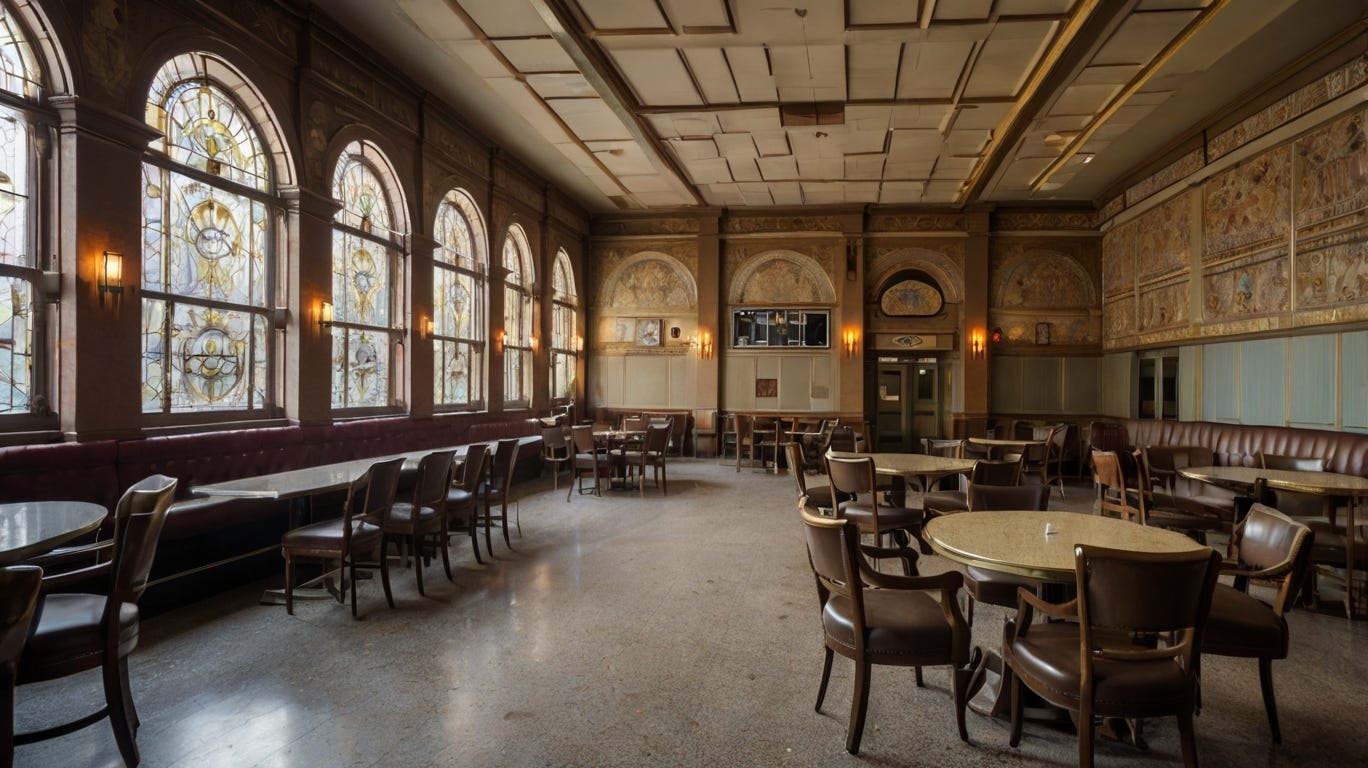
1880’s founders left behind a trail of mess after abruptly shuttering the Singapore-based private club.
Staff, suppliers, customers and event partners complained that they were left in the dark and are now trying to pick up the pieces. Several members wrote on social media that they were billed right before one of 1880’s founders, Marc Nicholson, revealed in the early hours of 17 June 2025 that the Singapore club has been placed in provisional liquidation.
Over the past week, tributes flowed in from members and guests who said that the club was a special space where they made lasting connections. Most of them praised the hardworking staff for organizing events that drew Singapore’s former foreign minister George Yeo, wellness guru Deepak Chopra, and British adventurer Louis Alexander.
Still, the fact remains that the club owes millions of dollars to various parties, including former employees in Hong Kong who are owed at least two months’ worth of pay. I wrote last week that 1880’s demise came after its founders went on an expansion spree in Hong Kong and Bali even though the Singapore headquarters was barely making money.
Running the Numbers
The Singapore operating company’s earnings before interest and tax (EBIT) and net profit margins were negative in its 2021 financial year, turned positive in 2022, then resumed the downward trend in 2023, according to records obtained by South China Morning Post (SCMP).
In a past interview, Nicholson said the club had no fewer than seven business units, including a restaurant, bar, spa and co-working space. “And if each of these is profitable, turning a 10 per cent or so, that can cover the rent, cost of goods sold, staff wages and so on,” he said.
If I were to take his statement at face value, that means the business had to make at least 10% profits to cover the costs of running it. Yet, Nicholson waxed lyrical in the same interview about his global domination plans:
“We want to build a network of clubs around the region. And right now Jakarta is extremely high on that list. But we’re also looking at Bangkok, Hong Kong, Shanghai, Manila and so on. Ultimately, we’d love to get into the accommodation business where we are combining, say, the concept of the club, the co-working space and a place to stay all-in-one.”
Even if the grand design were to open new clubs in the hope of subsidizing the underperforming ones, the heavy capital outlay would push the operations deeper into the red. In any case, the club ran aground before Nicholson could execute his vision.
What’s Next?
The club in Hong Kong is undergoing liquidation less than seven months after it was opened while the construction of the Bali hotel was never completed. In Singapore, the holding and operating companies are in provisional liquidation, which typically refers to a temporary legal process pending a court ruling on the winding-up.
1880 Singapore’s staff have offered to buy the club’s assets with the backing of its landlord, a unit of RB Capital Group, according to the Business Times. Singapore property scion Kishin RK’s RB Capital – which owns the InterContinental hotel in Robertson Quay – is likely one of 1880’s biggest creditors in terms of leases. The group also invested SGD 3 million (USD 2.3 million) in 2018 to support the club’s international foray, according to a press release.
“Anyone who wants to buy will first have to either take over the lease liabilities or pay Kishin off. So in other words, it makes most sense for Kishin to take it over,” a restructuring friend said. However, the potential recovery – especially for unsecured creditors – is unclear as the liquidators will have to tally the club’s assets.
Apart from the math of slicing and dicing what’s left, 1880’s bosses may also face legal repercussions as the club was still recruiting members and promoting events shortly before it went bust. There are laws in Singapore and Hong Kong against taking money for services that wouldn’t be delivered, but the key is proving that the management knew that the business was kaput and still sold memberships anyway.
The collapse of 1880 didn’t just drag the rich down, as it also hurt many staff and suppliers who are trying to claw their money back.

📒 Quick Take: Costs Killed Singapore’s Cinema Star
24 August 2025
The Projector has built a loyal following in Singapore’s indie scene, but the numbers show the brutal operating reality.
Rents alone would have eroded at least 30% of the cinema operator’s annual revenue.
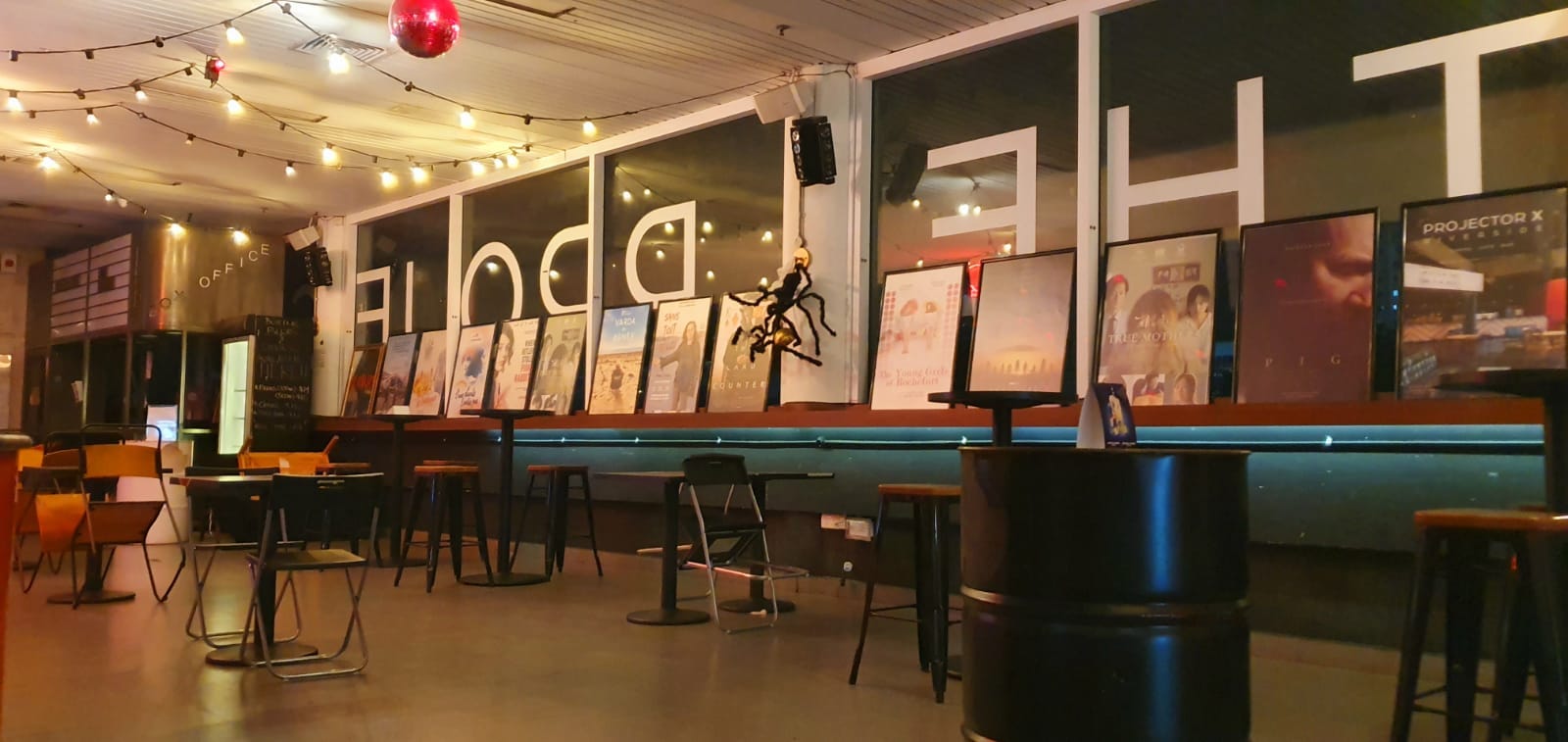
Singapore indie cinema The Projector’s closure after an 11-year run marks the end of an era.
Even though The Projector has built a loyal following through its movie screenings and inclusive events, its sudden shutdown underscores that operating costs make or break businesses in the city-state.
The Projector’s corporate entity, Pocket Cinema, owes creditors more than SGD 1.2 million (USD 936,465) and will enter a voluntary liquidation, The Straits Times reported on 21 August 2025. These creditors include movie distributor Overseas Movie (Private) Limited and The Projector’s shareholders.
Brutal Costs
Pocket Cinema started its operations in 2014 with a loss of slightly more than SGD 45,000, The Straits Times reported, citing its records with Singapore’s Accounting and Corporate Regulatory Authority (ACRA).
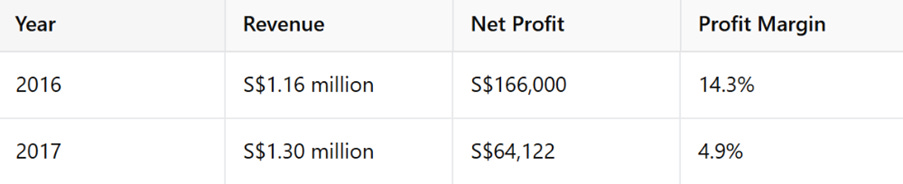
The company managed to turn in a profit of nearly SGD 166,000 after taxes, on revenue of SGD 1.16 million in 2016. However, its profit shrank the following year to SGD 64,122 despite an increase in revenue to SGD 1.3 million, according to its latest records (the last financial statement was filed in December 2017).
Murder by Numbers
These numbers indicate the stark operating reality in Singapore.
Even though The Projector’s topline grew by 12% – or SGD 140,000 in absolute terms – in 2017 from a year earlier, its profit margin was compressed by around two-thirds to less than 5%. While the cost breakdown is not publicly available, the expenses for a cinema operator typically include rents, film screening rights, staff salaries and utilities.
The Projector’s 10,000-square-foot space at Singapore’s Golden Mile Tower was listed for rent at SGD 33,000 a month from 28 July 2025, The Straits Times reported, citing a property portal. In short, rents alone would have eroded at least 30% of The Projector’s annual revenue, according to my back-of-the-envelope calculations.
The Projector is not alone, as rising overheads and weaker consumer demand have pushed other cinema chains and hospitality operators in Singapore to shutter or downsize their operations.
Cathay Cineplexes closed its cinema at the Jem shopping mall on 27 March after it received a termination notice from the trustee of its landlord, Lendlease Global Commercial REIT, which was owed around SGD 4.3 million in rents.
Singapore private club 1880 also abruptly ceased operations in June, although operating costs were not the only reason as its founders had aggressively expanded to Hong Kong and Bali.

Creative Loss
Since The Projector drew its curtains, hundreds of moviegoers, artists and club members have expressed their grief over the loss of a shared space.
The Projector’s abrupt demise is “a crushing blow for a local arts scene that already seems in so many ways to be existing defiantly on perpetual life support,” local playwright and author James Thoo wrote in a commentary.
Indeed, The Projector is more than a cinema operator or an event organizer – it created an outlet where people can be different and feel like they belong to a community.
Costs may have killed it, but its creative legacy will hopefully survive in other forms.
As The Projector’s founder Karen Tan put it:
“The Projector may be closing, but we hope its spirit will live on in the conversations, ideas, and communities we’ve nurtured. If Singapore wants to thrive, it must find a way for creative and cultural businesses to survive – because culture is the cornerstone of identity and civil society.”
📒 Quick Take: Singapore’s Rental Quandary
31 August 2025
Rents should eventually be pulled down as a huge supply wave will roll in from 2029, but many retail operators may not survive until then.
Singapore real estate investment trusts are built to chase yields and jack up rents to maximize returns for their unitholders.

“Greedy landlords are killing Singapore’s culture.”
This is the shorthand forming in the city-state as the closures of much-loved restaurants, social venues and retail outlets keep hitting the headlines.
Indie cinema The Projector has shut down after an 11-year run and will go into liquidation with more than SGD 1.2 million (USD 936,465) of debt. I calculated that rents alone eroded at least 30% of its annual revenue.
Cake maker FLOR Patisserie ceased operations on 13 July 2025, saying that it was “forced to exit the market due to a sharp rental increase.”
The future of Singapore’s heritage restaurants is in limbo due to rising rents, the Straits Times reported.
Cathay Cineplexes closed its cinema at the Jem shopping mall on 27 March 2025 after it received a termination notice from its landlord.
The loss of a special space in Singapore has fuelled calls for a state intervention, but a look at the retail market data illustrates the dilemma.
Survival Odds
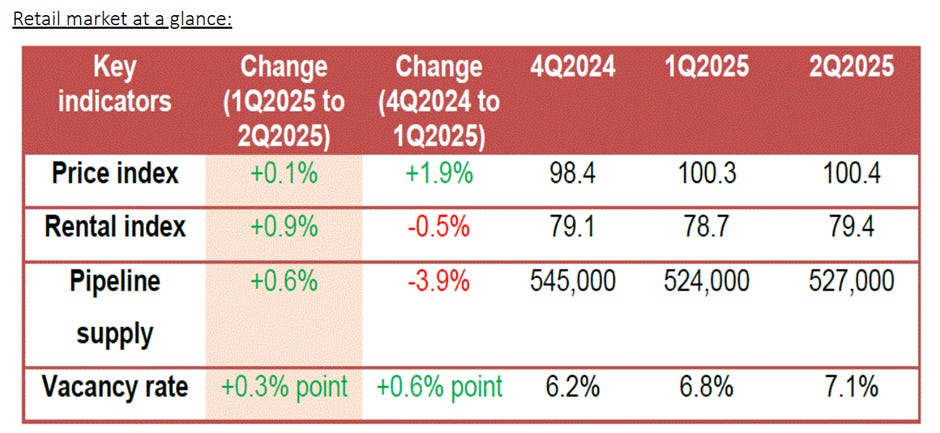
The rental index tracked by the national land planner, Urban Redevelopment Authority (URA), rose by 0.9% to 79.4 in the second quarter of 2025 from the previous quarter, while the vacancy rate increased by 0.3 percentage point to 7.1%.
Around 3,000 square meters (sqm) of retail space were also added to the pipeline, raising the total to 527,000 sqm.
This suggests that actual demand was not keeping pace with the higher rents, meaning that retailers were likely giving up more space than taking new leases.
Singapore’s retail space is also set to rise by 38,000 sqm in the second half of this year and 54,000 sqm in 2026. The projected supply increase looks a little uneven over the next four years, but a massive 267,000 sqm is scheduled to come onstream beyond 2029.
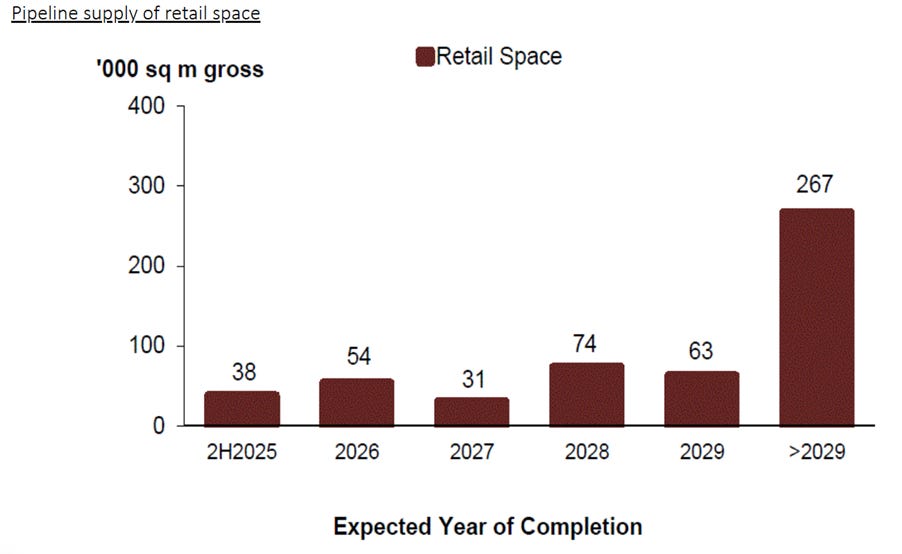
In a nutshell, rents should eventually be pulled down by market forces, especially with the huge incoming supply from 2029 onwards. However, the question is how many F&B and retail operators can hang on for that long.
Maximum Returns
The second interlocking problem is the prevalent real estate investment trust (REIT) model in Singapore.
A REIT is a vehicle that pools money from investors to own and manage income-generating assets such as offices, shopping malls and hotels. Singapore REITs are required to distribute at least 90% of their taxable income to unitholders as dividends, according to a report by DBS.
As of 30 May 2025, Singapore REITs offered an average dividend yield of 6.8% – a “compelling return” that significantly outpaced the Straits Times Index’s 5.1% yield, the benchmark 10-year government bond’s 2.4% yield, and typical term deposit rates, the DBS report noted.
Singapore REITs also account for roughly one-eighth of the Singapore Exchange (SGX)’s total market capitalization, according to a Singlife report. As of 2024, 41 REITs were listed on the SGX with a collective value of around SGD 100 billion (USD 77.9 billion), ranking Singapore as the third-largest REIT market globally after the US and Japan.
In short, Singapore REITs are built to chase yields and maximize returns for their investors, even if it means jacking up rents and driving out tenants that can’t afford to pay up. While large retailers have the scale to cross-subsidize their outlets, smaller tenants don’t have this luxury as every bit of rental hike eats into their thin margins.
Shopping malls in Singapore are increasingly anchored by ubiquitous tenants such as Japanese clothing retailer Uniqlo, Chinese supermarket chain Scarlett, American fast food giant McDonald’s and local food court Kopitiam.
The city-state risks becoming a transactional and homogenized marketplace if it cannot make space for smaller businesses to survive. But to do that, Singapore will have to solve its rental quandary.