

📚 Acrostics Anatomy: Krakatau Steel’s Debt Load
The Indonesian state-owned steel maker is weighed down by a weak sales outlook and credit standing.

📒 Quick Take: Posco’s Indonesian Headwinds (20 May 2025)
💼 Brief Take: Krakatau Steel’s Heavy Weight (9 October 2025)
💼 Brief Take: Krakatau Steel’s Crutch (5 November 2025)
🔮 Indonesian SOEs 2026 Outlook: Krakatau Steel (23 November 2025)
📒 Quick Take: Posco’s Indonesian Headwinds
20 May 2025
Krakatau Posco was heralded as a successful joint venture between a South Korean steel behemoth and an Indonesian SOE, but it’s also not immune to headwinds in the Southeast Asian market.
Challenges include cheaper steel imports from China, a cut in Indonesia’s infrastructure spending and a weaker rupiah.
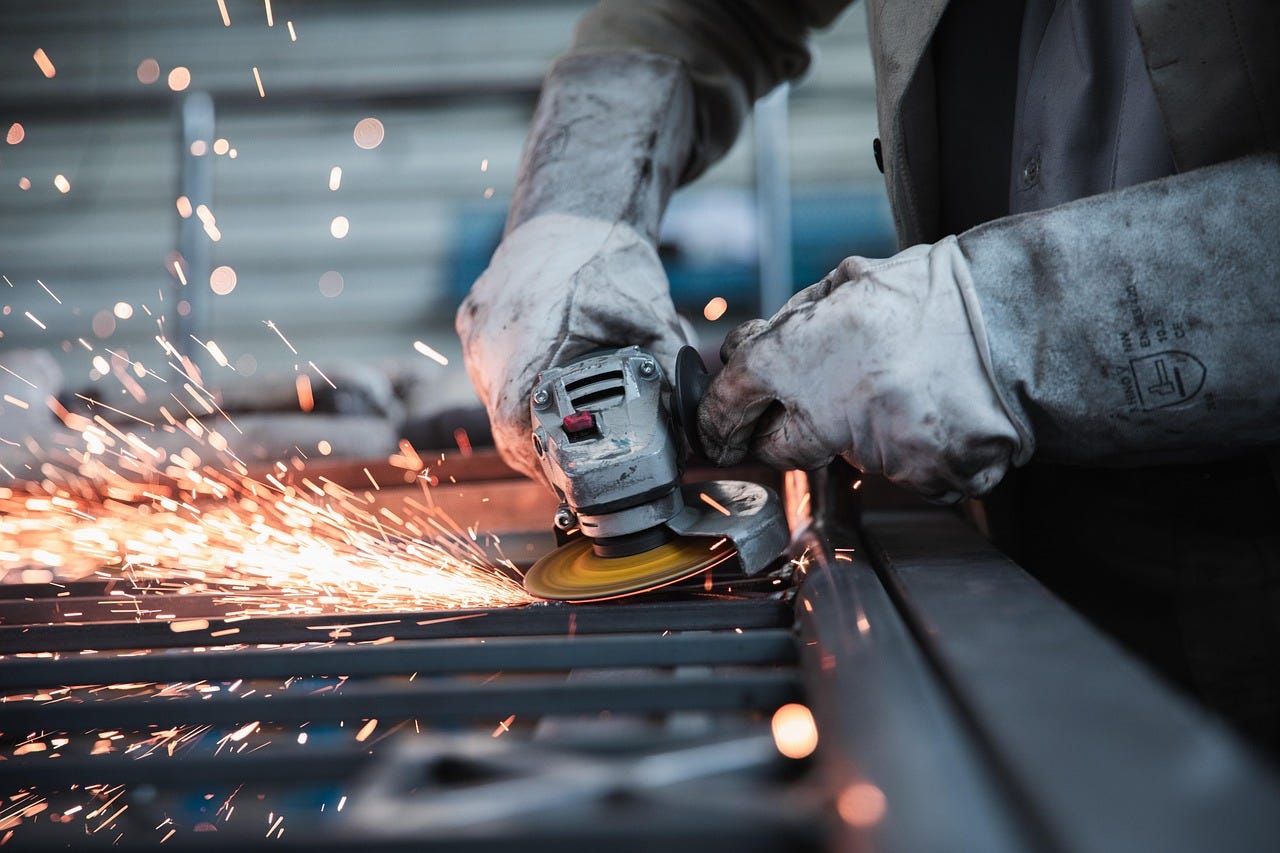
Krakatau Posco was heralded as a successful joint venture between a South Korean steel behemoth and an Indonesian state-owned enterprise, but it’s also not immune to headwinds in the Southeast Asian market.
The integrated steel mill – which is jointly owned by Posco and Krakatau Steel – reported operating profits for three consecutive years before selling USD 700 million of investment-grade bonds with a 6.375% coupon in May 2024.
“The successful bond issuance by a local steel company in Southeast Asia, a region with relatively high country risk, is attributed to stable performance and the strategic importance of the project in the group’s overseas operations,” according to Posco Group’s press release.
In short, the South Koreans helped to bring operational expertise and creditworthiness to the table while Krakatau Steel, the Indonesian SOE, is tackling its debt woes.
Krakatau Steel has to restructure its loans for the second time and “the Grand Restructuring II Scheme is still in the process of obtaining agreement with creditors” up till the issuance of its first-quarter results, according to its statement.
However, the JV is also not ironclad as the business faces challenges including cheaper steel imports from China, a cut in Indonesia’s infrastructure spending, and a weaker rupiah.
Krakatau Posco was trying to cut costs, such as by using cheaper locally sourced raw materials, and working closely with the Indonesian SOE to request stronger protection of the domestic steel business, according to an S&P Global Ratings report in September 2024.
Krakatau Posco’s financial performance seems to have deteriorated, as revenue fell to USD 466 million in 1Q25 from USD 538 million in 4Q24, according to its presentation.
Operating profit dropped to USD 4 million from USD 17 million, while operating profit margin plunged to 0.9% from 3.1% over the same period. Debt-to-EBITDA ratio stood at 5.65x as of 1Q25, slightly higher than 5.62x as of 4Q24.
The company is targeting a maximum debt-to-EBITDA ratio of 4.5x and annual capital expenditures of USD 34 million, according to the presentation. Krakatau Posco is also managing working capital by speeding up its collection of account receivables, optimizing inventory turnover, and exploring supply chain financing.
The Indonesian Iron and Steel Industry Association has stepped up its lobbying on concerns that the tariff war unleashed by US President Donald Trump would spur China to dump even more steel products on the Southeast Asian nation.
“It’s crucial that the government implements effective policies to safeguard the domestic iron and steel industry,” the association’s chairman, Muhammad Akbar Djohan, reportedly said.
Indonesia’s textile industry has already collapsed due to the influx of Chinese goods and the labour-intensive steel sector is feared to be the next victim, which could intensify the wave of layoffs.
If even Krakatau Posco – which is standing on the shoulders of a South Korean giant – is having a tougher time in Indonesia, many of the smaller steel players may not survive in the long run without government intervention.
💼 Brief Take: Krakatau Steel’s Heavy Weight
9 October 2025
Indonesia’s Krakatau Steel has asked Danantara for USD 500 million in working capital and will request another USD 500 million for its restructuring.
The state-owned steel maker’s predicament has parallels to the supply chain struggles faced by Indonesian textile companies.
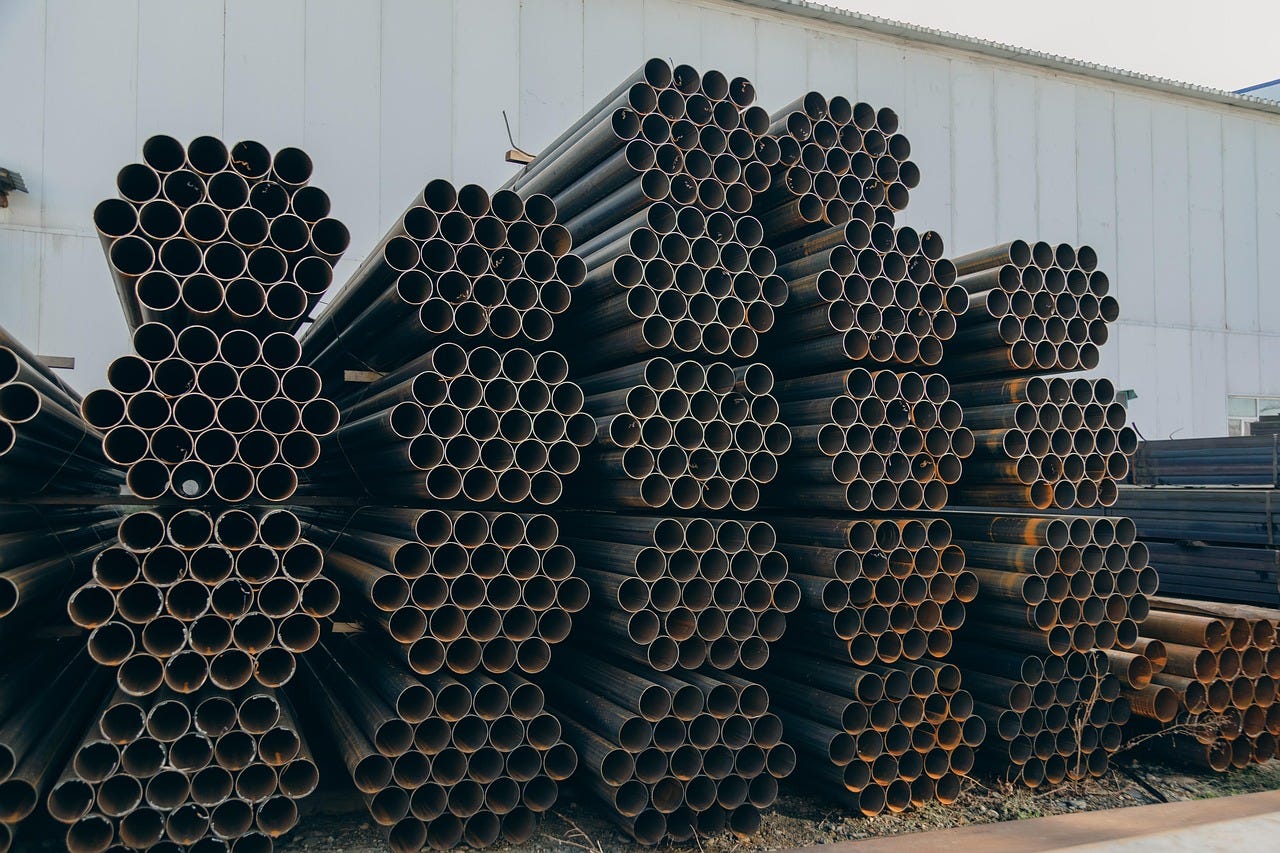
Indonesia’s Krakatau Steel has asked sovereign fund Danantara for USD 500 million in working capital. Of that amount, Danantara has allocated USD 250 million as a shareholder loan, according to Krakatau’s stock exchange filing.
Eveline’s Take:
⚙️ Danantara has its hands full with the state-owned enterprises (SOEs) that need help to stem their bleeding. The fund is already pouring a total of USD 1.85 billion to plug flag airline Garuda Indonesia’s negative equity, and now it’s being asked to support the state-owned steel maker.
⚙️ Krakatau’s revenue for the six months ended 30 June edged up 3.6% to USD 460.8 million, but this was outpaced by a 7.7% increase in its cost of revenue to USD 426.9 million. Net operating cash outflow widened sharply to USD 32.8 million in 1H25 from USD 2.3 million a year earlier, mainly on higher payments to suppliers.
⚙️ Cash and equivalents fell to USD 63.6 million as of end-June from USD 99.3 million a year earlier. Total liabilities stood at USD 2.5 billion, out of which USD 2.3 billion were due in the short term. The biggest portion were current maturities of long-term loans, which amounted to USD 1.4 billion.
⚙️ To meet its raw material needs, Krakatau obtained third-party financing that had higher rates than banking facilities and imposed restrictions on the company, according to its statement. “Those financing costs directly add to the costs of obtaining raw materials,” it said.
⚙️ Krakatau’s predicament reminds me of the supply chain struggles faced by Indonesian textile companies such as Sri Rejeki Isman (Sritex) and Pan Brothers. They experienced a longer cash conversion cycle, meaning that suppliers asked to be paid faster while customers took longer to pay up. Sritex and Pan Brothers relied on working capital loans to fill that gap and fell into distress when the banks pulled this lifeline.
⚙️ Krakatau has the advantage of being able to send an SOS signal to its mothership. On top of working capital, the company also plans to ask Danantara for up to USD 500 million in “other forms” for its restructuring. Krakatau didn’t specify the forms, but these may include a debt-to-equity conversion, like how state-owned energy giant Pertamina is swapping Garuda’s fuel debt into equity.
⚙️ Krakatau also announced that on 30 September, it had obtained written approval from four private banks to accelerate a debt settlement “with relief”. The deal will slash Krakatau’s restructured debt to USD 174.3 million from USD 1.4 billion, “so that the principal relief obtained by the Company is 80%”.
⚙️ Danantara, fellow SOEs and the private sector are helping to shoulder Krakatau’s weight, but can the steel maker stand on its own feet eventually?
💼 Brief Take: Krakatau Steel’s Crutch
5 November 2025
Indonesian sovereign fund Danantara will provide working capital for the state-owned steel maker, but this must come with a management overhaul.
Apart from the challenging sales outlook, Krakatau also has a lacklustre credit standing and will likely struggle to find private lenders on its own.
Danantara plans to finalize a comprehensive restructuring of Indonesian state-owned steel maker Krakatau Steel, Kompas reported on 31 October 2025, citing Rohan Hafas, the sovereign fund’s managing director for stakeholder management and communications.
Eveline’s Take:
🩼 Danantara has some tough words for Krakatau. The steel company has “never been profitable, never been good, never been efficient,” Hafas reportedly said, adding that it has made bad investments including the sub-optimal construction of a blast furnace.
🩼 Krakatau initially had a wide range of industrial facilities, but started “chopping them off” and putting them up for sale in order to survive, according to Hafas. Selling these assets, such as one of the deepest sea ports in Indonesia, has undermined the company’s strategic advantage, Hafas said.
🩼 Hafas’ frustration was palpable, as Krakatau had requested USD 500 million in working capital from its shareholder. Danantara’s Chief Operating Officer, Dony Oskaria, told reporters in October that the fund will inject equity into Krakatau, but this must come with a management overhaul.
🩼 I wrote last month that Krakatau’s financials resembled Indonesian textile companies Sritex and Pan Brothers, which relied on working capital loans to cover their cash conversion gap and fell into distress when the banks pulled this lifeline. To get raw materials, Krakatau obtained third-party financing that carried higher rates than banking facilities and imposed restrictions on the company, according to its statement.
🩼 Indonesia’s steel industry has another parallel with the textile sector, as domestic manufacturers have called for safeguards against the influx of Chinese products. The Indonesian Iron and Steel Industry Association warned in April that China may divert its exports to other countries, including Indonesia, in response to US tariff hikes.
🩼 Apart from the challenging sales outlook, Krakatau also has a lacklustre credit standing. As I noted in May, Krakatau’s joint venture with Posco was able to sell USD 700 million investment-grade bonds last year because investors were anchoring the credit to the South Korean steel giant. On its own, the Indonesian SOE will likely struggle to find private lenders.
🩼 For now, Krakatau seems to be monetizing its non-core assets. The company’s industrial park unit has reportedly signed a two-year agreement to lease out a warehouse and accommodation facilities in Cilegon to China Chengda Engineering.
🔮 Indonesian SOEs 2026 Outlook: Krakatau Steel
23 November 2025
On top of USD 500 million working capital, the company also plans to request up to USD 500 million from sovereign fund Danantara to support its restructuring.
The issue is that Danantara cannot print money to keep Krakatau and other ailing SOEs on perpetual life support.

Indonesian state-owned steel maker Krakatau Steel has parallels with the debt-laden textile companies that cling to a shrinking lifeline.
I wrote in early October that these manufacturers are heavily reliant on working capital to cover their cash conversion gap, which basically refers to the delay between collecting cash from customers and having to pay suppliers.
Working capital is like the blood that transports oxygen throughout the body, without which the system risks shutting down.
I noted that Krakatau’s net operating cash outflow widened sharply to USD 32.8 million in the first half of 2025 from USD 2.3 million a year earlier, mainly on higher payments to suppliers. Cash and equivalents fell to USD 63.6 million as of end-June, while short-term liabilities stood at USD 2.3 billion, of which USD 1.4 billion were current maturities of long-term loans.
To secure raw materials, Krakatau obtained third-party financing that carried higher rates than banking facilities and imposed restrictions on the company. In short, Krakatau had to borrow at exorbitant rates to finance normal operations, forcing it to appeal to its shareholder, Indonesian sovereign fund Danantara, for USD 500 million in working capital.
“They cannot borrow money like other companies anymore, not even for working capital,” Danantara Managing Director Febriany Eddy told reporters on 14 November, adding that the fund is finalizing the amount of working capital for Krakatau. She also noted that Krakatau’s poorly executed investment in a blast furnace had saddled it with “tremendous debt”.
Deep Haircut
In addition to the working capital, Krakatau also plans to ask for up to USD 500 million “in other forms” from Danantara to support its restructuring agreement with a group of banks.
Krakatau obtained written approval from four private banks on 30 September for a restructuring deal that will include an 80% “principal relief” for the company.
On the surface, the four private banks should receive around 20 cents on the dollar, representing a steep haircut that departed from the typical SOE restructuring method of rolling loans over 10-20 years. (Click here for Acrostics Anatomy on Indonesia’s SOE Circuit).
Why would the banks agree to such terms?
The additional USD 500 million that Krakatau would request from Danantara to back its restructuring may include a debt-to-equity conversion, upfront cash component or discounted debt buyback. In short, the banks may choose to take something in the near term, rather than wait 20 years for the dim prospects of getting back their full principal.
The issue is that Danantara cannot print money to keep Krakatau and other ailing SOEs on perpetual life support. I wrote earlier this week that the fund has launched a USD 1 billion-equivalent three-year loan into syndication, far below the USD 10 billion credit line that it was reported to have clinched four months ago. (Click here for my Danantara takes).
I also flagged the risk of a crowding out effect, as some lenders may prefer exposure to individual SOEs rather than the holding entity. If Danantara were in the market at the same time as Pertamina, for example, potential investors may pick the state-owned energy company because of its perceived strategic importance and longer track record in the international debt markets.
Nevertheless, investors have different portfolio allocations and some may want to build a relationship with Danantara given that the fund will likely be a repeat borrower.